What to Do Before Seeing an Emergency Dentist in Bakersfield CA
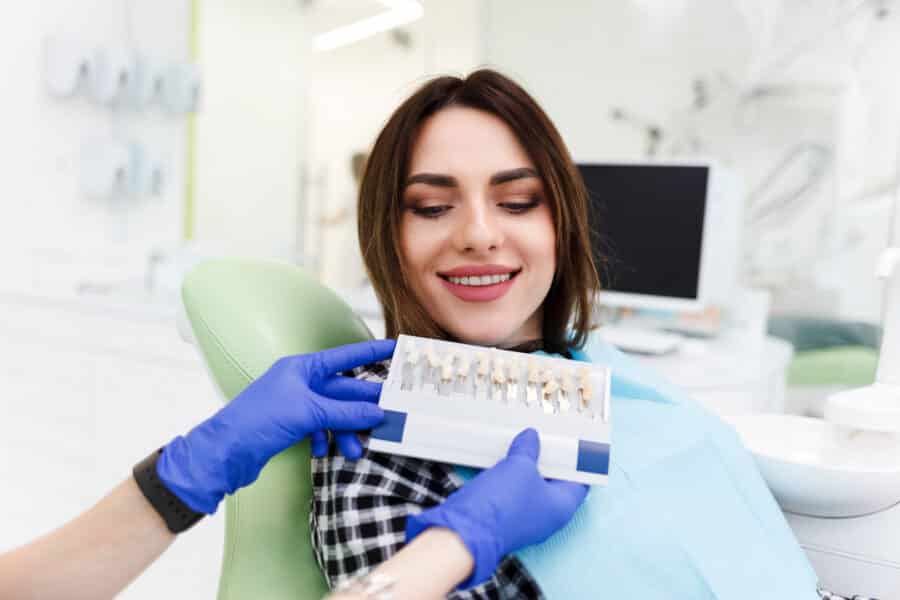
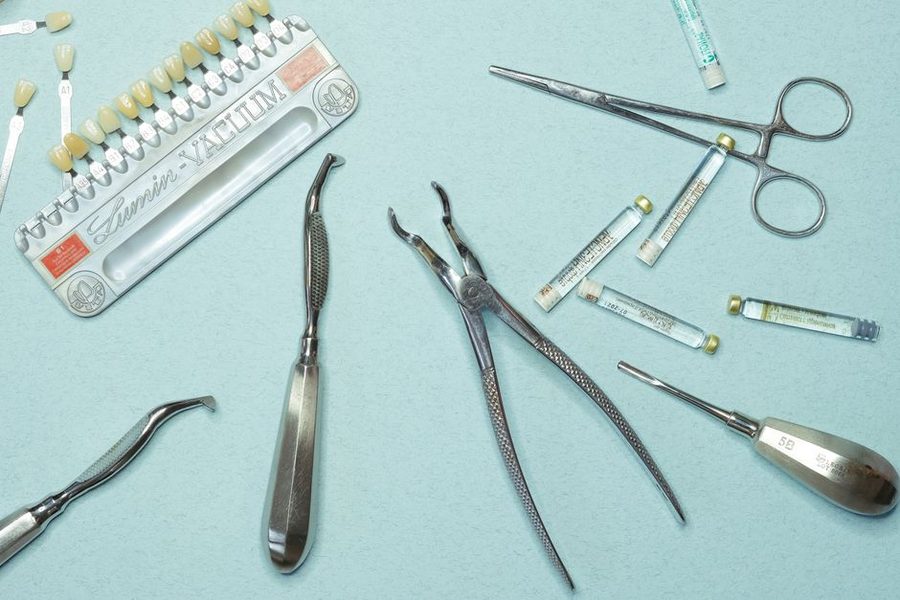
Dental emergencies have a way of disrupting an ordinary day in minutes. One hard bite on a popcorn kernel, a sudden swelling that was not there at breakfast, a child who trips at soccer practice, and now you are trying to figure out whether you need care immediately and what to do before you get it. In Bakersfield, where busy work schedules, sports, dry heat, and long drives across town can complicate timing, those first steps matter more than most people realize.
The period between the moment a dental emergency starts and the time you sit in the chair is not just waiting time. What you do in that window can reduce pain, limit damage, lower the chance of infection, and sometimes improve whether a tooth can be saved. It can also help the visit go faster once you reach an Emergency Dentist Bakersfield CA patients trust for urgent care.
Start by deciding whether it is truly an emergency
Not every dental problem needs same-day treatment, but some do. A small chip with no pain can often wait a day or two. A tooth that is loose after trauma, facial swelling, uncontrolled bleeding, severe pain that keeps building, or a knocked-out tooth should not.
A practical way to think about it is this: if the issue involves trauma, infection, rapid swelling, intense pain, or a lost restoration that leaves the tooth dangerously exposed, call right away. If there is fever, trouble swallowing, trouble opening the mouth, or swelling spreading into the cheek or under the jaw, that moves beyond inconvenience. That can become a medical problem quickly.
Many people hesitate because they do not want to overreact. In practice, it is better to call and let the dental team help triage than to wait until a manageable problem turns into an overnight crisis. Front desks at urgent dental offices hear these situations every day. They can often tell, from a few details, whether you should come in immediately, monitor at home for a short period, or head to an emergency room instead.
Call before you drive over
One of the most useful things you can do is call the office before leaving home, work, or school. Even practices that provide emergency care may structure their day differently. Some can see you within the hour. Others may reserve blocks for urgent cases. Calling ahead gives the team time to prepare, especially if trauma or swelling is involved.
When you call, be specific. Say when the pain started, whether it is constant or triggered by temperature or biting, whether you see swelling, and whether there was an injury. If a tooth broke, mention whether the nerve appears exposed or whether you can see pink or red tissue. If a tooth was knocked out, say how long it has been out of the mouth and how it has been stored. Those details affect urgency.
It also helps to ask what to bring. If you have dental insurance, bring the card. If you take blood thinners, diabetes medications, or antibiotics, mention that. If the injured person is a child, share the age. A baby tooth injury and an adult tooth injury are handled differently, and the office will want to know before you arrive.
Control bleeding and swelling without making things worse
People often do the right thing in the wrong way. They rinse too aggressively, apply aspirin directly to the gums, or place heat on a swollen face. Those choices can increase irritation.
For bleeding, steady pressure works better than frequent checking. Fold clean gauze or a clean cloth, place it over the area, and bite down or press firmly for about 15 to 20 minutes. If you keep lifting the gauze every minute to see whether it stopped, you reset the clotting process. A small amount of oozing can look dramatic in the mouth because saliva spreads blood quickly.
For swelling, use a cold compress on the outside of the cheek in short intervals. Ten minutes on and ten minutes off is a reasonable pattern while you are arranging care or traveling. Cold helps limit swelling and can dull pain. Heat, by contrast, often increases circulation to the area and can intensify throbbing if infection is involved.
If you have braces or a wire is poking the cheek, a small piece of orthodontic wax can make the ride to the office much more tolerable. If you do not have wax, sugar-free gum can work briefly in a pinch, but only if there is no broken tooth or open wound nearby.
Manage pain carefully
There is a big difference between easing pain and masking a developing emergency. Over-the-counter pain relievers can help, but they should be used sensibly and according to the product label or your physician’s advice. Ibuprofen is often effective for dental pain because inflammation is usually part of the problem. Acetaminophen may be a better option for some people who cannot take anti-inflammatory medications. If you have kidney disease, stomach ulcers, liver disease, are pregnant, or take blood thinners, the choice is not always straightforward.
What should be avoided is placing aspirin or any pain medication directly on the gum or tooth. This old home remedy can burn the tissue and create a second problem. Alcohol should also not be used as a mouth rinse for pain control. It can irritate already inflamed tissue and gives only a false sense of relief.
A lukewarm saltwater rinse can be helpful in many cases, especially if the gum is irritated or there is food trapped around a sore tooth. The key is gentle rinsing, not forceful swishing. If the tooth is fractured or recently avulsed, rough rinsing can disturb vulnerable tissue.
If a tooth gets knocked out, time matters
This is one of the few situations in dentistry where a few minutes can change the outcome. A permanent tooth that has been completely knocked out has the best chance of survival when it is handled carefully and reimplanted quickly. The root surface contains living cells that need to be protected.
If this happens, do the following:
- Pick the tooth up by the crown, not the root.
- If it is dirty, rinse it briefly with milk or clean water, but do not scrub it.
- If the person is alert and able, gently place the tooth back in the socket and hold it there with light pressure.
- If that is not possible, store it in cold milk or a tooth preservation solution if one is available.
- Go to an emergency dentist immediately.
A common mistake is wrapping the tooth in tissue or letting it dry out on the dashboard cup holder while driving. Dry time hurts the prognosis. Saliva is not always ideal either, especially for a small child who may swallow the tooth. Milk is usually the safest practical choice when you are away from a sports medicine kit.
One point that causes confusion: this advice applies to permanent teeth. Baby teeth are different. Reimplanting a baby tooth can damage the developing adult tooth underneath, so parents should call the dentist rather than trying to push it back in.
Broken teeth need different first aid depending on the break
A chipped edge with no pain is inconvenient. A large fracture with sensitivity to air or cold is more urgent. If you can find the broken piece, bring it with you. Sometimes it helps the dentist evaluate the fit, and in select cases it may even be useful for repair.
Rinse the mouth gently and keep the area clean. If a sharp edge is cutting the tongue or cheek, a small piece of dental wax or sugar-free gum can cover it temporarily. Avoid chewing on that side. If the fracture followed a fall or blow to the face, pay attention to more than the tooth. Jaw pain, a bite that suddenly feels off, dizziness, or difficulty opening the mouth may point to a broader injury.
There is also the issue of hidden cracks. A tooth may look mostly intact but hurt sharply when biting or releasing pressure. That pattern often suggests a crack, and cracks can worsen quickly if you keep testing them with crunchy foods. Patients do this all the time without realizing it, chewing on the sore side just to “see if it still hurts.” If you suspect a crack, stop probing it and let the office evaluate it.
Lost fillings, crowns, and bridges are not always minor
A lost crown on a front tooth feels urgent because it is visible. A lost crown on a back molar may seem less pressing, https://jarednevq817.huicopper.com/emergency-dentist-bakersfield-ca-tips-for-handling-dental-emergencies-calmly but functionally it can be just as important. Once the crown is off, the prepared tooth underneath is often more vulnerable, more sensitive, and easier to fracture.
If a crown comes off cleanly, save it and bring it along. Sometimes patients are told online to use store-bought temporary cement. That can be reasonable for a short period in carefully selected situations, but only if the tooth is not painful, the crown fits well, and the office has advised it. Household glue is never appropriate. It can damage the restoration and complicate cleanup.
A lost filling can expose dentin, which often reacts sharply to cold air, sweets, or pressure. Keeping the area clean and avoiding sticky foods matters. If you have a bridge that feels loose, do not keep chewing on it to “get by” until next week. A partially detached bridge can place leverage on the supporting teeth and turn a simpler repair into a more involved one.
Swelling deserves respect
Dental swelling is one of the most underestimated problems in urgent care. A small puffy area near the gum line may remain localized, but facial swelling, especially if it appears quickly or is paired with fever or foul taste, can signal a spreading infection. In some cases, the pain actually decreases as the swelling increases, which fools people into thinking it is getting better. It is not.
Bakersfield’s hot, dry climate adds one practical issue here. Dehydration can worsen how people feel during an infection, especially older adults who have been avoiding food and drink because chewing hurts. Sip water if you can. Soft, cool foods are usually easier than hot foods. But do not mistake hydration for treatment. Infection around a tooth typically needs professional care, and sometimes drainage, endodontic treatment, extraction, or antibiotics depending on the cause and severity.
If swelling is affecting breathing, swallowing, or the ability to keep saliva down, that is beyond routine dental urgency. Seek immediate emergency medical attention.
Think about what caused the problem
The cause matters because it changes what the dentist will look for. A cracked molar after chewing ice suggests one path. A front tooth that darkens after a bike accident suggests another. A toothache that wakes you at 2 a.m. And lingers after cold drinks often points toward inflamed nerve tissue. Pain only when biting on one side can suggest a crack, a high filling, or ligament inflammation.
Before your visit, take a minute to reconstruct the timeline. What were you eating when the pain started? Did it come after dental work? Did you recently have sinus congestion, clench more under stress, or start whitening strips that made several teeth sensitive? These details help the dentist sort between dental pain, gum issues, bite trauma, and non-dental causes that can mimic tooth pain.
I have seen more than one situation where a patient focused on one dramatic symptom, like a broken filling, while the real issue turned out to be a deep fracture running below the gumline. I have also seen the reverse, where a patient feared the worst because of sharp pain but the culprit was simply a seed hull wedged under the gum. Good history shortens that detective work.
Eat and drink strategically before the appointment
This seems minor until you are sitting in traffic with a throbbing molar. If you are not being sedated and the office has not told you otherwise, it is usually wise to eat something soft before leaving, especially if you think treatment may run long. Scrambled eggs, yogurt, oatmeal, soup that is warm rather than hot, or a smoothie without a straw if you recently had bleeding are practical choices. Hunger can make pain harder to tolerate.
That said, avoid chewing on a damaged side, and avoid extreme temperatures if the tooth is sensitive. Hard foods, nuts, chips, sticky candy, and crusty bread are bad gambles before urgent dental care. So is gulping very cold water through a sore cracked tooth.
If sedation might be involved, stop and ask first. Some emergency visits turn into same-day procedures. Offices often prefer specific fasting instructions for moderate sedation or deeper sedation, and the safest approach is to confirm before eating.
Gather the information the office will need
There is a simple reason emergency visits feel chaotic: pain narrows attention. People remember to bring the broken crown and forget the medication list. They remember the child’s sports mouthguard and forget the insurance card. A two-minute pause before leaving can save time when you arrive.
Bring these basics if you can:
- A photo ID, insurance information, and a form of payment.
- A list of medications, allergies, and major health conditions.
- Any broken tooth fragments, crown, retainer, or appliance involved.
- The name of your regular dentist, if you have one.
- A brief timeline of symptoms, including when pain, swelling, or trauma started.
If the injured person is a child, it helps to have the parent or legal guardian available by phone if they cannot come in person. Consent delays are common and frustrating when treatment is clearly needed.
Be careful with home remedies from the internet
When people search for an Emergency Dentist Bakersfield CA office, they often also end up reading message boards and social videos full of improvised fixes. Some are harmless. Some create avoidable complications.
Clove oil, for example, can provide temporary numbing in some cases, but if it is used heavily on irritated tissue, it can sting and muddy the picture for the exam. Temporary filling kits can help cover a small hole for a short time, but not if there is swelling, active drainage, severe pain, or uncertainty about what is underneath. Peroxide rinses are sometimes overused, which can irritate healing tissue. And superglue, even though people still try it, has no place in emergency dental first aid.
What actually works best before the appointment is less dramatic: gentle cleaning, cold compresses when indicated, cautious pain control, preserving any tooth or restoration, and getting seen promptly.
If trauma involved the jaw, lips, or head, broaden your concern
Dental injuries often arrive with other injuries attached. A split lip can hide a tooth fragment. A blow to the chin can fracture a tooth and also jar the jaw joint. A sports collision can produce a normal-looking tooth that later loses vitality because the nerve was damaged at the root tip.
If there was any loss of consciousness, vomiting, severe headache, confusion, or suspected facial fracture, medical evaluation takes priority. Likewise, if the bite suddenly does not line up and the jaw feels unstable, do not assume it is only a tooth problem. The emergency dentist may still be part of your care, but the order of care matters.
What not to do on the way there
A surprising amount of damage happens after the initial injury, during the hours people spend trying to manage it themselves. Patients chew on the unaffected side so aggressively that the jaw muscles seize up. They test the loose tooth repeatedly with their tongue. They skip the appointment because the ibuprofen finally kicked in. Or they keep working through a swelling that doubles by evening.
Restraint is part of good first aid. Once you have made the call, your job is to preserve the situation, not solve it from the passenger seat.
That means avoiding smoking if you can, since it can worsen healing and irritate exposed tissue. It means not lying flat if swelling or throbbing increases when you recline. It means keeping children from playing with a loose or displaced tooth while you drive. It also means driving safely. Dental pain can be distracting enough that having someone else drive, when possible, is a smart decision.
What the dentist may need from you once you arrive
Emergency visits move fastest when patients describe symptoms clearly and answer direct questions even if they seem repetitive. The team may ask you to rate pain, identify whether heat or cold triggers it, explain whether it lingers after the trigger is gone, or tell them whether the tooth feels taller when you bite. Those are not casual questions. They help distinguish inflamed pulp, abscess, crack, periodontal involvement, and bite trauma.
X-rays are often part of the visit, but not always enough on their own. A tooth can have serious symptoms before obvious radiographic changes appear. On the other hand, a dramatic x-ray finding does not always match the painful side. That is why your description matters.
Sometimes the first emergency visit is about stabilizing, not finishing everything that day. A dentist may relieve pressure, start a root canal, place a temporary restoration, recement a crown, smooth a fracture, prescribe medication when appropriate, or recommend extraction if the tooth cannot be predictably restored. People are often disappointed when the solution is temporary, but in urgent care the first priority is to stop the damage and get you comfortable.
A calm response usually leads to a better outcome
Pain creates urgency, and urgency creates rushed decisions. The best pre-appointment approach is controlled, practical, and unspectacular. Figure out how serious the problem appears, call ahead, protect the area, reduce swelling and pain safely, preserve anything that came out, and arrive with useful information.
That alone puts you in a better position than many emergency patients. It helps the office help you faster. It may improve the odds of saving a tooth. And when you are searching for an Emergency Dentist Bakersfield CA residents rely on, those first choices at home and in the car are part of the treatment, whether people realize it or not.
Smyle Dental Bakersfield
2016 E St, Bakersfield, CA 93301, United States
+16614939040
FAQ About Emergency Dentist Bakersfield CA
What counts as a dental emergency?
Severe tooth pain, facial swelling, uncontrolled bleeding, a knocked-out or displaced tooth, and significant dental trauma may need prompt assessment. Trouble breathing or rapidly increasing swelling requires urgent medical help.
What should I do if a permanent tooth is knocked out?
Handle the tooth by the crown rather than the root, keep it moist, and contact a dentist immediately. Fast treatment can improve the chance of saving the tooth.
Can an emergency dentist treat severe tooth pain the same day?
Same-day care may be available depending on the cause and schedule. The dentist will examine the area, may take digital X-rays, and recommend treatment based on the diagnosis.
Should I go to the emergency room for dental swelling?
Seek urgent medical care for trouble breathing, difficulty swallowing, rapidly spreading facial swelling, or other severe symptoms. A dentist can assess the underlying dental cause and provide appropriate follow-up care.