Top Reasons to Visit an Emergency Dentist in Bakersfield CA
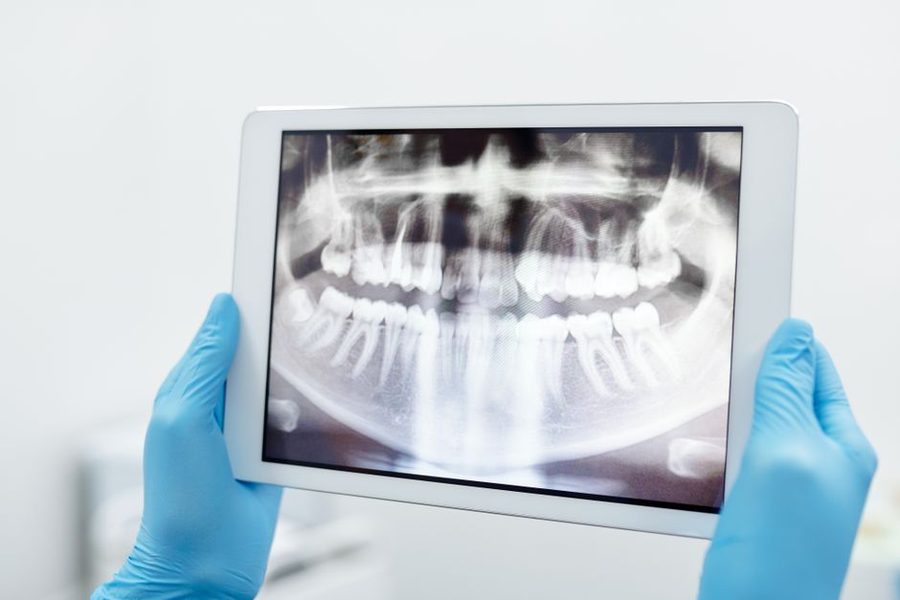
Dental pain has a way of taking over everything. A mild ache can make it hard to focus at work. A broken tooth can turn a normal dinner into a stressful evening. When swelling starts, or bleeding will not stop, people often realize very quickly that this is not the kind of problem to put off until next week.
That is where an emergency dentist in Bakersfield CA becomes important. Not every dental issue needs same-day treatment, but many do. In practice, people often wait longer than they should because they hope the pain will settle down, because they are unsure whether the problem counts as an emergency, or because they worry the visit might be unnecessary. The trouble is that dental problems rarely improve on their own. Small issues tend to stay the same for a while, then get worse at inconvenient times, late at night, during a weekend, or right before travel.
In a city like Bakersfield, where families juggle work schedules, school activities, long commutes, and summer heat that seems to amplify every discomfort, getting prompt dental care can prevent a difficult situation from turning into a far more serious one. The reasons to seek emergency dental care are not just about pain relief. They include protecting the tooth, stopping infection, avoiding larger bills later, and in some cases guarding your overall health.
Severe tooth pain is rarely just "one of those things"
Persistent or intense tooth pain is one of the most common reasons people look for an emergency dentist in Bakersfield CA. The pain may begin as sensitivity to cold or pressure, then shift into throbbing, sharp jolts, or a deep ache that radiates into the jaw or ear. When the pain keeps you awake, distracts you from driving, or makes it hard to eat, that is a strong sign something more than ordinary sensitivity is going on.
Several conditions can cause this kind of pain. A deep cavity may have reached the nerve. A cracked tooth can expose sensitive inner layers. A filling may have failed. Sometimes the issue is not even visible in the mirror. The tooth can look mostly fine while infection develops underneath.
People sometimes try to tough it out with over-the-counter pain relief, clove oil, or home remedies passed around online. Those may take the edge off for a few hours, but they do not fix the source. In fact, temporary relief can create a false sense of safety. By the time the pain becomes unbearable again, the decay or infection may be much further along. I have seen situations where someone ignored a molar for a month because ibuprofen seemed to manage it, then ended up needing a root canal or extraction that might have been avoided with earlier care.
Pain is the body’s alarm system. When it is strong, constant, or worsening, it deserves a professional evaluation.
Swelling can signal an infection that should not wait
Among all dental warning signs, swelling is one of the most important. Swelling in the gums, cheek, jaw, or face can indicate an abscess or another active infection. That is not something to monitor casually for a few days.
A dental infection can stay localized for a time, but it can also spread into nearby tissue. When that happens, the problem becomes much more than a tooth issue. Swallowing may become uncomfortable. Opening the mouth fully may be difficult. Fever can develop. In more serious cases, infection can affect breathing or require urgent medical care in a hospital setting.
This is one reason emergency dental visits matter so much. Prompt treatment can drain infection, relieve pressure, start the right course of care, and determine whether antibiotics are needed. It can also identify the underlying cause, whether that means a root canal, extraction, periodontal treatment, or repair of a damaged tooth.
Bakersfield residents who work outdoors often push through discomfort longer than they should. Heat, dehydration, and long workdays can make facial swelling and infection feel even worse. If the cheek looks noticeably puffy or the gum has a tender bump that tastes foul when pressed, it is wise to get seen quickly.
Saving a knocked-out tooth depends on timing
Trauma is one of the clearest reasons to seek emergency care. Sports injuries, falls, bike accidents, and even biting down on something unexpectedly hard can all lead to a knocked-out or displaced tooth. In those moments, time matters.
A permanent tooth has the best chance of being saved if it is handled properly and reimplanted quickly, often within about 30 minutes, though sometimes a little longer depending on conditions. The key is not to scrub the tooth or hold it by the root. Rinsing gently and keeping it moist, ideally in milk or tucked carefully in the mouth if the person can do so safely, can make a real difference while heading to an emergency dentist in Bakersfield CA.
This is one of those situations where people benefit from knowing the basics before they ever need them. The difference between fast action and delayed care can be the difference between saving the natural tooth and facing replacement options later. Dental implants and bridges can restore function well, but preserving the original tooth is usually the best outcome when possible.
Even if a tooth is not fully knocked out, any tooth that feels loose, pushed out of place, or suddenly does not line up correctly when biting down deserves immediate attention.
Broken teeth are not always cosmetic problems
A chipped front tooth often gets dismissed as mainly an appearance issue. Sometimes it is. Other times the break runs deeper than expected, exposing dentin or even the pulp. Molars can fracture in a way that is less visible but far more disruptive, especially if part of the cusp breaks off and leaves a sharp edge or unstable structure behind.
A broken tooth can create several problems at once. The nerve may become irritated. The crack can allow bacteria inside. The sharp portion can cut the tongue or cheek. The tooth may become painful under pressure, which changes how a person chews and can strain the jaw over time.
One practical point worth mentioning is that cracks rarely heal. Enamel does not regenerate. Once the structure is compromised, chewing forces tend to make the damage worse. A person might notice only mild discomfort for a few days, then suddenly feel a much stronger pain after biting into bread crust, nuts, or grilled meat.
Emergency treatment may involve smoothing the area, placing a temporary or permanent restoration, stabilizing the tooth, or addressing internal damage. The right response depends on the depth and direction of the fracture, which is why a same-day exam matters.
Uncontrolled bleeding needs prompt evaluation
It is normal to see slight spotting after flossing aggressively or after certain dental procedures. It is not normal to have steady oral bleeding that continues without obvious improvement. Bleeding after trauma, after an extraction, or from injured gum tissue should be assessed if pressure does not control it.
The mouth is highly vascular, which means even small injuries can look dramatic. At the same time, truly persistent bleeding should not be brushed off. In some cases, the issue is a torn tissue area, a dislodged blood clot, or trauma to the gums. In others, blood-thinning medication or an underlying medical condition can complicate matters.
An emergency dental office can evaluate the source, stop the bleeding properly, and reduce the risk of infection or delayed healing. This is especially relevant for older adults, patients on anticoagulants, and anyone who has recently had oral surgery.
Fast treatment often means simpler treatment
One of the least appreciated reasons to visit an emergency dentist in Bakersfield CA is that early intervention tends to preserve options. A problem that starts as a cavity may need only a filling if caught soon enough. Wait until the decay reaches the pulp and the treatment may shift to root canal therapy and a crown. Wait longer still, and extraction may become the only realistic route.
That progression is not unusual. Dentistry is often about timing. The body gives some warning, but once infection, fracture, or structural loss reaches a certain point, conservative treatment is no longer enough.
People sometimes delay care because they are trying to save money. Ironically, delay often has the opposite effect. A same-day emergency exam and repair is usually less expensive than managing a widespread infection, replacing a lost tooth, or dealing with repeated flare-ups that interfere with work. Missing two or three days on the job because of dental pain can be costly on its own, especially for hourly workers.
This is one place where professional judgment matters. A good emergency dentist will not treat every situation as catastrophic. They will sort the urgent from the non-urgent, stabilize the immediate problem, and explain what can be done now versus what can be scheduled after the acute issue settles.
Dental emergencies can affect more than your mouth
It is easy to think of dental problems as separate from the rest of the body. In reality, oral health and general health are closely tied. Infections in the mouth can stress the immune system and, in certain circumstances, spread beyond the tooth itself. Trouble chewing can affect nutrition. Ongoing pain can interfere with sleep, blood pressure, mood, and concentration.
For children, an untreated dental emergency can quickly disrupt school, appetite, and behavior. A child with a dental abscess may not always say, "My tooth hurts." Instead, the first signs may be irritability, facial swelling, refusal to eat, or waking up crying at night.
For older adults, a dental emergency may complicate diabetes management or recovery from other illnesses. For pregnant patients, gum swelling and dental infection deserve careful attention rather than delay. The decision to seek urgent dental care is often about preventing a local problem from becoming a broader health burden.
Some symptoms are obvious, others are easy to underestimate
People usually know that a knocked-out tooth is an emergency. They are less sure about dull pain, a loose crown, or a sudden bad taste in the mouth. Those borderline cases are where delays often happen.
A crown or filling that falls out may not seem urgent if the tooth does not hurt immediately. Yet exposed dentin can become sensitive fast, and the remaining tooth structure may be fragile. A loose bridge or crown can also shift your bite and create further damage if you keep chewing on it.
A foul taste, pimple-like bump on the gum, or recurring swelling that drains and then returns often points to infection. The fact that it comes and goes does not make it harmless. In many cases, that pattern means the body is temporarily venting pressure, not resolving the problem.
Here are five signs that usually justify contacting an emergency dental office the same day:
- Severe or throbbing tooth pain that does not ease with basic pain relief
- Visible swelling in the gums, jaw, cheek, or face
- A knocked-out, loose, or displaced permanent tooth
- A broken tooth with pain, bleeding, or a sharp exposed edge
- Bleeding that continues despite firm pressure
Not every one of these situations will lead to the same treatment, but all deserve timely assessment.
What to do before you get to the dental office
The period between the injury or pain flare and the appointment matters. A few practical steps can reduce damage and improve comfort while you are on the way.
For swelling, a cold compress on the outside of the face can help. For a knocked-out tooth, keeping it moist is essential. For bleeding, clean gauze and steady pressure are better than repeated checking every minute. For a broken tooth, rinsing gently with warm water can clear debris without aggravating the area. If there is pain, over-the-counter medication may help, as long as it is taken as directed and appropriate for the person’s medical history.
It is also worth avoiding a common mistake, placing aspirin directly on the gum or tooth. People still do this occasionally, and it can irritate or burn the soft tissue. Pain medication belongs in the bloodstream, not against the gums.
If you call an emergency dentist in Bakersfield CA, the office can often give instructions specific to your situation before you arrive. That guidance can be surprisingly useful, especially in trauma cases.
Emergency care is also about function, not just pain
Some people seek urgent dental care because they physically cannot use the tooth normally. They cannot chew on one side. Their bite suddenly feels off. A front tooth breaks before an important work presentation. A denture cracks and leaves them unable to eat comfortably. These concerns are not trivial.
Function matters. Being unable to chew can mean missed meals, poor food Emergenvcy Dentist Bakerfield CA choices, or digestive discomfort from avoiding solid foods. A sudden change in bite can strain the jaw joints and surrounding muscles. For people in public-facing jobs, visible dental damage can also affect confidence in a way that feels immediate and personal.
There is a tendency to rank emergencies only by pain level, but that misses part of the picture. A painless cracked molar can still fail catastrophically if ignored. A lost front crown may not hurt much, but it can leave the remaining tooth vulnerable and create significant social stress. Emergency dentistry addresses these quality-of-life issues alongside infection and injury.
Why local access matters in Bakersfield
Geography and daily logistics play a real role in emergency care. In a spread-out city, long drives and busy schedules can turn a manageable dental issue into a day-long ordeal. Local access to an emergency dentist in Bakersfield CA makes it more realistic for patients to get seen promptly, whether the problem happens during a school day, after work, or on a weekend.
That local factor matters for follow-up too. Emergency visits often solve the immediate problem first, then transition into a larger treatment plan. A patient with an abscess may need definitive treatment after the infection is controlled. Someone with a temporary repair after trauma may need a crown, bonding, or further imaging later. Working with a nearby office makes those next steps far easier to complete.
Knowing when to choose a dentist and when to choose the ER
This is an area where confusion is common. For many dental emergencies, the dentist is the right first stop because the issue is tooth-related and needs dental treatment. Emergency rooms can help with severe swelling, uncontrolled bleeding, trauma involving the face or jaw, or signs that the problem extends beyond the tooth, but they typically do not perform definitive dental procedures such as root canals, crown repairs, or reimplantation in the same way a dental office does.
A simple way to think about it is this. If the emergency is centered on the tooth or gums, and breathing and overall stability are not in question, call the emergency dentist first. If there is trouble breathing, trouble swallowing, serious facial trauma, loss of consciousness, or rapidly spreading swelling, emergency medical care comes first.
That distinction can save valuable time.
The main reason people regret waiting
When patients talk honestly about delayed dental care, the same themes come up. They hoped it would calm down. They were busy. They did not want bad news. They thought they could get through the weekend. Then the pain intensified, the swelling spread, or the tooth broke further, and the situation became harder, more expensive, and more disruptive than it needed to be.
The strongest reason to visit an emergency dentist in Bakersfield CA is simple. Dental emergencies tend to worsen on their own schedule, not yours. Prompt care can relieve pain, protect the tooth, control infection, and give you a clearer path forward while treatment options are still broader and outcomes are often better.
If the mouth is telling you something is wrong, especially with pain, swelling, trauma, or bleeding, it is usually worth listening the first time.
Smyle Dental Bakersfield
2016 E St, Bakersfield, CA 93301, United States
+16614939040
FAQ About Emergency Dentist Bakersfield CA
What counts as a dental emergency?
Severe tooth pain, facial swelling, uncontrolled bleeding, a knocked-out or displaced tooth, and significant dental trauma may need prompt assessment. Trouble breathing or rapidly increasing swelling requires urgent medical help.
What should I do if a permanent tooth is knocked out?
Handle the tooth by the crown rather than the root, keep it moist, and contact a dentist immediately. Fast treatment can improve the chance of saving the tooth.
Can an emergency dentist treat severe tooth pain the same day?
Same-day care may be available depending on the cause and schedule. The dentist will examine the area, may take digital X-rays, and recommend treatment based on the diagnosis.
Should I go to the emergency room for dental swelling?
Seek urgent medical care for trouble breathing, difficulty swallowing, rapidly spreading facial swelling, or other severe symptoms. A dentist can assess the underlying dental cause and provide appropriate follow-up care.