General Dentist Bakersfield CA: Building Healthy Habits for Better Smiles
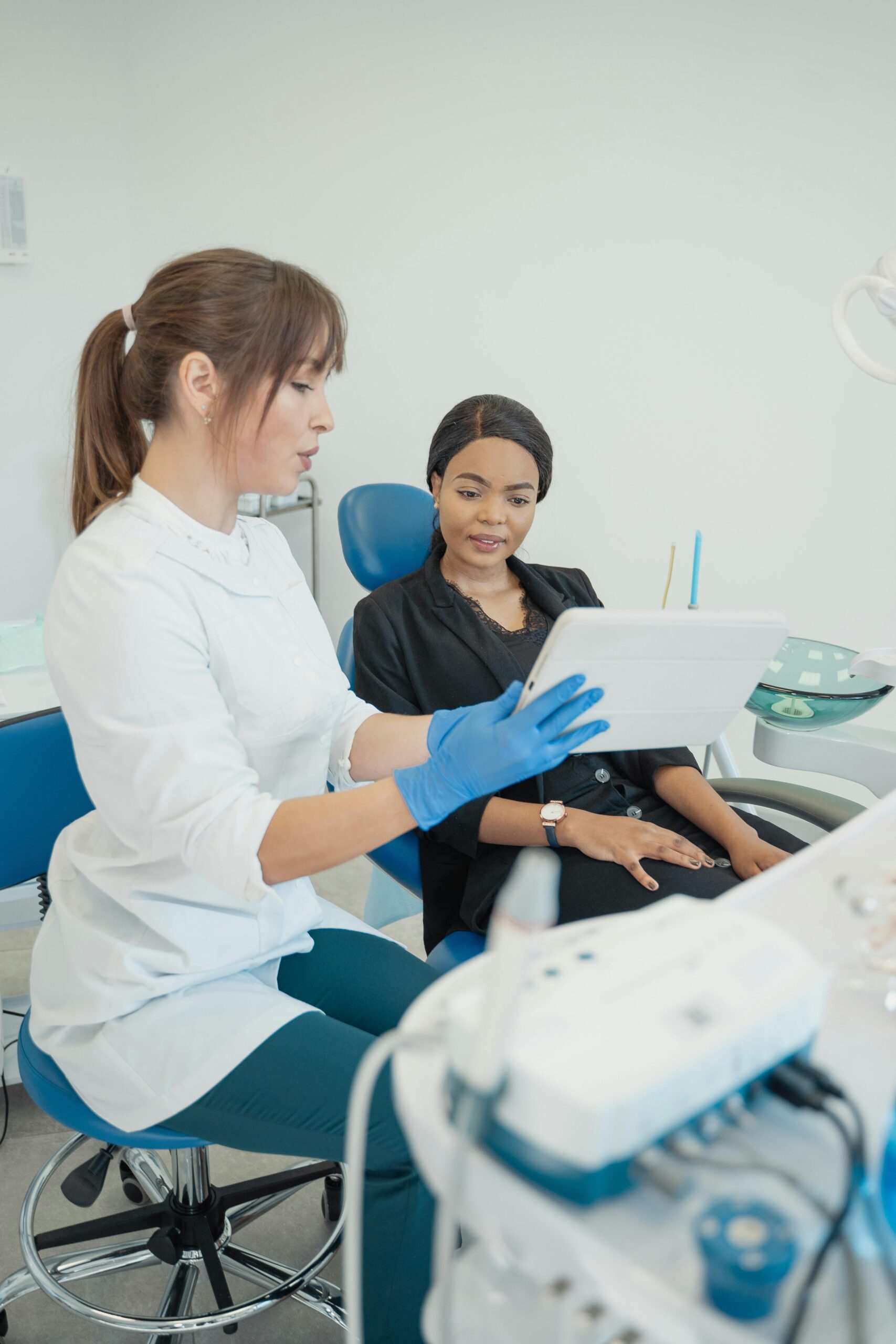
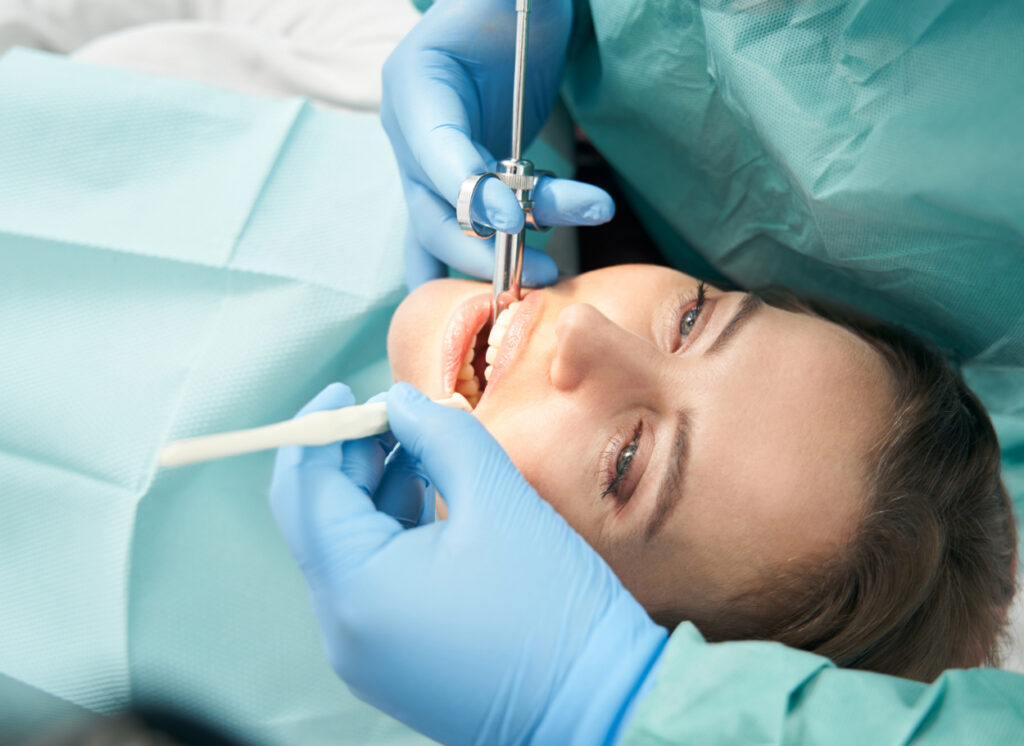
A healthy smile rarely comes from one dramatic change. More often, it reflects the quiet consistency of small routines, good timing, and a trusted relationship with a dental office that knows your history. For families in Kern County, that means finding a general dentist Bakersfield CA residents can rely on not just when something hurts, but when life is moving fast and dental care risks slipping down the list.
General dentistry sits at the center of long-term oral health. It covers the basics people tend to underestimate until a problem interrupts a normal day, routine cleanings, exams, fillings, gum care, preventive advice, and early intervention when something looks off. Those services may sound ordinary, but in practice they shape how teeth function, how gums age, how comfortably people eat, and how confidently they speak and smile.
In a place like Bakersfield, where schedules can be packed with work, school, commuting, sports, and family obligations, healthy habits need to be practical. A routine that sounds ideal on paper but falls apart after a busy week is not a strong routine. The better approach is one that fits real life and still protects teeth over time.
Good dental habits start before problems appear
Most people do not wake up one morning with severe decay or advanced gum disease out of nowhere. Dental problems usually build in stages. Plaque hardens into tartar. A spot that could have been watched becomes a cavity. Mild gum irritation turns into bleeding, then recession, then deeper periodontal concerns. What makes general dentistry so valuable is that it catches these patterns early, when treatment is simpler, less invasive, and usually less expensive.
That matters because many patients are not avoiding care out of neglect. They are busy. Some had unpleasant experiences as children. Others feel fine and assume everything must be okay. One of the most common things heard in a dental office is some version of, “It didn’t hurt, so I thought I could wait.” Unfortunately, tooth decay and gum disease do not always announce themselves with pain at the beginning.
A skilled general dentist looks for subtle signs long before a patient notices symptoms. Tiny fractures, worn enamel, gum inflammation, clenching patterns, dry mouth, food traps between teeth, and early decay around old fillings can all be seen during a routine visit. That kind of early attention protects both your smile and your budget.
What a general dentist really does for a family
Many people hear the term “General dentist” and think only of cleanings and fillings. The scope is broader than that. General dentistry is the day-to-day foundation of care across different ages and stages of life.
A child might need help learning proper brushing technique and regular exams as adult teeth come in. A teenager may need sealants, sports mouthguard advice, or monitoring for wisdom tooth issues. Adults often need support for stain buildup, old restorations, stress-related grinding, or gum health. Older adults may deal with root exposure, dry mouth from medications, or concerns around crowns, bridges, or dentures.
Because a general dentist sees these patterns over years, they can spot changes that a one-time urgent visit cannot. Continuity matters. The value is not only in what gets treated, but in what gets tracked.
In Bakersfield, this can be especially important for households balancing multiple generations. One office may care for children, parents, and grandparents, each with different needs but overlapping habits, schedules, and concerns. That creates a more complete picture of preventive care and a more realistic plan for keeping everyone on track.
The daily habits that make the biggest difference
The strongest smile habits are not fancy. They are repeatable, consistent, and based on what actually causes disease. Brushing twice a day, cleaning between teeth, limiting frequent sugar exposure, drinking enough water, and attending routine checkups still do most of the heavy lifting.
What often needs adjustment is not the theory, but the execution.
A patient may brush twice a day but rush for 30 seconds each time. Someone else may floss only before appointments. Another person may sip sweetened coffee for three hours every morning, keeping teeth under constant acid and sugar exposure. A teen athlete may use a sports drink daily without realizing how often enamel is being bathed in acid. A child may brush independently long before they have the dexterity to clean properly.
Small corrections can change outcomes dramatically. A better angle with the toothbrush. A softer brush head. Flossing at night instead of “when I remember.” Switching from all-day grazing to more defined meals. Rinsing with water after acidic drinks. Wearing a nightguard when clenching is grinding teeth down.
These are ordinary shifts, but they add up.
Why Bakersfield lifestyles can shape oral health
Oral health never exists in a vacuum. Climate, work patterns, diet, stress, and access to care all influence the condition of the mouth.
Bakersfield’s heat can contribute to dehydration, and dry mouth is more than an annoyance. Saliva helps neutralize acids, wash away food debris, and protect enamel. When people are dehydrated, breathing through the mouth, taking certain medications, or drinking a lot of caffeine without enough water, their natural defenses weaken. That can increase cavity risk and gum irritation.
Work routines matter too. Some residents work long agricultural, industrial, logistics, or healthcare shifts where meals are irregular and hydration is easy to neglect. Others snack frequently in the car between obligations. Those patterns may seem minor, but frequent snacking and dry mouth create a steady stream of trouble for teeth.
Stress plays its role as well. Clenching and grinding are common, especially in adults balancing demanding schedules. Over time, that pressure can chip teeth, wear enamel, strain jaw muscles, and make existing dental work fail earlier than expected. Many patients do not even realize they grind until a general dentist notices flattened biting surfaces or tiny fracture lines.
Brushing is basic, but technique matters more than people think
Most adults assume they know how to brush. Many do a decent job, but “decent” is not always enough to protect the areas where plaque likes to stay, especially along the gumline and around back teeth.
Two minutes twice daily is a useful benchmark, but speed is not the only issue. Pressure matters. Aggressive brushing does not clean better. It can wear away enamel near the gumline and contribute to gum recession, especially with a hard-bristled brush. A gentler method with a soft brush usually performs better over time.
Electric toothbrushes can be very helpful for people who rush, have limited dexterity, or struggle to clean evenly. They are not mandatory, but for many patients they improve consistency. A general dentist can often tell quickly whether someone’s technique is effective based on where inflammation and plaque tend to collect.
Children need extra supervision here. Many parents understandably hand over brushing responsibility too early. The result is a child who looks independent but misses key surfaces every night. A useful rule in practice is that children often need active oversight longer than parents expect, sometimes well into grade school.
Flossing is not optional, even if your gums bleed
Bleeding during flossing causes a lot of confusion. Some people stop because they assume flossing is hurting them. In reality, bleeding often signals inflammation from plaque that has been left sitting between the teeth. When flossing becomes consistent, that bleeding frequently improves.
This does not mean every person must use traditional string floss. Interdental brushes, floss picks, and water flossers can all have a place depending on tooth spacing, restorations, braces, hand coordination, and personal preference. The best tool is the one a patient can use correctly and https://rentry.co/47x4e8uc consistently.
For people with tightly spaced teeth, careful flossing may be ideal. For others with wider spaces or gum recession, small interdental brushes may remove more plaque effectively. Patients with bridges, implants, or orthodontic appliances may need a more tailored routine. This is where personalized advice from a general dentist becomes more useful than generic internet tips.
Food choices affect teeth by frequency as much as quantity
People often focus on sugar grams and overlook exposure time. From a dental perspective, how often teeth face sugars and acids can matter as much as how much is consumed in one sitting.
A dessert eaten with dinner is generally less damaging than sipping a sweet drink over several hours. Each exposure feeds bacteria and lowers pH in the mouth. Repeated exposure keeps enamel under attack. The same is true for many sports drinks, energy drinks, sodas, sweetened teas, and even some flavored waters.
That does not mean every treat must disappear. It means eating and drinking with strategy helps. Water between meals, fewer prolonged sugary drinks, and pairing sweets with meals instead of frequent snacking can make a meaningful difference.
Here are a few habits that usually protect teeth without making life feel restrictive:
- Drink plain water regularly, especially in hot weather or after coffee, soda, or sports drinks.
- Keep sugary or acidic beverages to shorter, defined periods rather than sipping all day.
- Choose snacks with less cling and less sugar when possible, such as cheese, nuts, or crunchy vegetables.
- Wait a little after acidic drinks before brushing, since enamel can be softened temporarily.
- If dry mouth is an issue, mention it during a dental visit instead of assuming it is harmless.
These are simple adjustments, but they often lower cavity risk more than people expect.
Routine visits are preventive, not just diagnostic
A regular dental appointment should do more than confirm that you need a cleaning. At its best, a checkup provides a moving snapshot of oral health and changes over time.
A thorough visit may include an exam of the teeth, gums, bite, soft tissues, existing dental work, and relevant X-rays when needed. The cleaning removes hardened buildup that brushing and flossing cannot. The conversation matters too. It is often during a routine visit that patterns come to light, morning jaw soreness, sensitivity near one filling, a child snoring at night, a medication causing dry mouth, or a habit of chewing ice.
Patients sometimes treat preventive visits as optional because they feel healthy. Yet much of the value lies in what the appointment prevents. A small cavity discovered early may require a simple filling. Left alone for a year or two, that same area may lead to a larger restoration, root canal treatment, or even tooth loss. The difference in cost, comfort, and time can be significant.
A dependable general dentist Bakersfield CA patients trust will usually tailor recall timing to risk. For many people, visits every six months are appropriate. Others with active gum disease, heavy buildup, high cavity risk, or certain medical conditions may need more frequent maintenance. There is no prize for stretching visits past what your mouth can handle.
The connection between gum health and the rest of the mouth
People tend to talk about cavities because they are easy to understand. Gum disease is quieter and, in many cases, more destructive over time. Bleeding gums, puffiness, persistent bad breath, recession, and loose teeth are not normal signs of aging. They are signs that the tissues supporting the teeth need attention.
One tricky part of gum disease is that it often progresses without dramatic pain. Patients may ignore it because it feels less urgent than a toothache. Yet advanced periodontal problems can affect tooth stability, bite function, and long-term treatment options.
General dentists monitor gum measurements, inflammation, recession, and bone support to identify trouble early. If caught soon enough, improving home care and professional cleanings may stabilize things well. If neglected, treatment becomes more involved.
In practice, some of the happiest patients are not the ones who got cosmetic upgrades. They are the ones who stopped bleeding every time they brushed and realized their mouth finally felt healthy again.
Children learn oral health from what adults repeat
Kids rarely build good dental habits from lectures alone. They learn from routines, timing, and what they see modeled at home. If brushing is rushed, irregular, or treated as a punishment, children absorb that attitude quickly. If it is part of the normal rhythm of the day, resistance usually fades with repetition.
Parents often ask when a child should first see the dentist or how to make visits easier. Early familiarity helps. A calm, non-dramatic relationship with a dental office reduces fear and creates normalcy. It is much easier to build trust during healthy visits than during a first appointment for pain or swelling.
For school-age children in Bakersfield, sports and snacks become major themes. Mouthguards matter for contact sports and activities with impact risk. Snack habits matter because many packaged foods marketed to children are sticky, starchy, and frequent. Juice, gummies, crackers, and fruit snacks may seem harmless in isolation, but repeated exposures can keep decay risk elevated.
Adults often need to unlearn “I’ll deal with it later”
Delaying treatment is common, especially among adults who are managing work, caregiving, and financial decisions all at once. A chipped tooth that “doesn’t really hurt,” a crown that feels “a little off,” or occasional bleeding gums can sit on the to-do list for months.
The issue is that teeth rarely self-correct. Minor concerns often grow, and the longer someone waits, the fewer simple options remain. Many restorative treatments are very successful, but preserving natural tooth structure is always preferable when possible.
This is where a trusted General dentist becomes part clinician, part coach. The goal is not to pressure patients into unnecessary treatment. It is to help them understand what is urgent, what can be monitored, and where acting sooner protects them from a larger problem later. Good dental care includes judgment.
When habits need to be personalized
No single routine fits every patient. Someone with braces, implants, diabetes, acid reflux, chronic dry mouth, or a history of frequent cavities may need a different plan than someone with low risk and stable oral health.
A few examples show why nuance matters. A patient with gum recession may need gentler brushing and special tools between teeth. A person with acid reflux may need both medical follow-up and a strategy to reduce enamel erosion. Someone who drinks lemon water throughout the day may think they are making a healthy choice while unknowingly exposing enamel to repeated acid. A patient taking several medications may need help managing dry mouth to reduce decay risk.
This is one reason routine care with a general dentist is so valuable. You are not only getting a service. You are getting interpretation, based on your risk factors, your habits, and the condition of your mouth today compared with six months or a year ago.
Signs it is time to schedule sooner rather than later
Sometimes waiting for the next routine visit is reasonable. Sometimes it is not. These situations usually deserve prompt attention:
- Tooth pain that lingers, worsens, or wakes you at night.
- Bleeding gums that persist despite improved home care.
- A cracked tooth, lost filling, or crown that feels loose.
- Sudden sensitivity to hot, cold, or biting pressure.
- Swelling, bad taste, or signs of infection.
Quick evaluation can mean the difference between a straightforward fix and a more complicated repair.
Better smiles are built through ordinary consistency
People often imagine oral health as something won through major treatment, whitening, veneers, or extensive dental work. Those services have their place, but the strongest smiles are usually built much earlier and much more quietly. They come from regular cleanings, thoughtful home care, good hydration, timely treatment, and habits repeated even on busy days.
For Bakersfield families, that kind of consistency is realistic when dental care feels approachable and practical. A reliable general dentist Bakersfield CA residents trust should help patients understand not just what needs attention, but how to keep future problems from taking hold. That is the heart of general dentistry. It is not glamorous, but it is powerful.
Healthy smiles are not accidental. They are maintained. And most of the time, the difference comes down to simple habits done well, with the right guidance at the right time.
Smyle Dental Bakersfield
Address: 2016 E St, Bakersfield, CA 93301
Phone number: +16614939040
FAQ About General dentist Bakersfield CA
What does it mean by general dentist?
A general dentist is your primary dental care provider. They act like a family doctor for your mouth. They focus on the overall health of your teeth and gums, providing routine checkups, cleanings, and basic treatments like fillings or crowns for patients of all ages.
What is the difference between a dentistry practitioner and a dentist?
A dentist is a specific licensed doctor who diagnoses and treats teeth and gums, holding a DDS or DMD degree. A "dentistry practitioner" (or dental practitioner) is a broader regulatory term that includes dentists as well as other licensed oral health workers like hygienists and therapists.
When to see a dentist for gum pain?
See a dentist for gum pain if it lasts more than a few days, or right away if you have severe swelling, pus, fever, or bleeding. Mild pain from a scratch can heal on its own, but lasting soreness often points to gum disease, an infection, or an abscess.